A hair dryer is one of the most essential daily grooming tools for both men and women, yet picking the wrong model can lead to frizzy, damaged hair, inefficient drying, or poor usability. With the rise of portable beauty gadgets, cordless hair dryers have also gained popularity, leaving many shoppers wondering: what features matter most when buying a hair dryer, and are cordless options truly versatile enough for daily use? This guide breaks down the key buying criteria and explores the real-world use cases of cordless hair dryers to help you make a smart purchase.
Key Factors to Choose the Right Hair Dryer
Choosing a hair dryer is not just about picking the cheapest or most stylish option—it’s about balancing drying speed, hair protection, comfort, and durability. Below are the non-negotiable features to evaluate before buying:
1. Wattage, Airflow & Constant Temperature Control
Wattage directly impacts drying efficiency, but higher wattage doesn’t always mean better quality. For household use, a 1600–2000 watt hair dryer is ideal: it delivers strong airflow to cut down drying time without overloading electrical circuits. Travel-friendly models usually range from 1000–1500 watts, prioritizing portability over raw power.
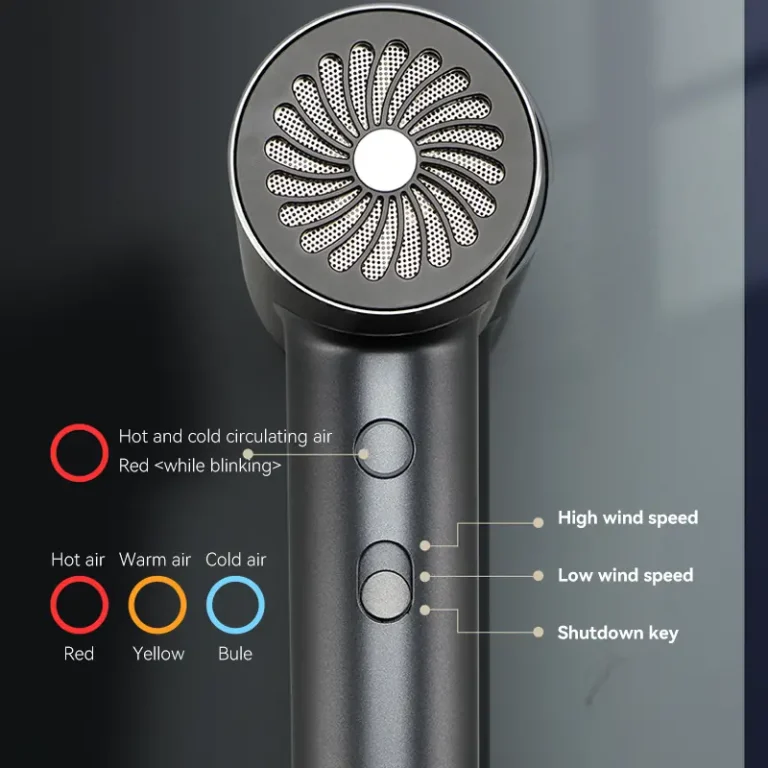
Even more critical than wattage is constant temperature control. Cheap dryers rely on high heat to dry hair, which scorches the hair cuticle, causes split ends, and irritates the scalp. Premium models maintain a steady, scalp-friendly temperature (around 37–45°C) while boosting airflow, protecting hair health while speeding up drying. Always check for adjustable heat and speed settings (at least 2 heat levels + 2 speed levels) for flexible styling.
2. Hair-Care Technologies: Ionic, Ceramic & Tourmaline
Modern hair dryers come with built-in technologies to reduce damage and boost shine, and these are worth the extra investment. Ionic technology releases negative ions that break down water molecules, drying hair faster while neutralizing static electricity to eliminate frizz. Ceramic and tourmaline heating elements distribute heat evenly, preventing hot spots that damage delicate hair strands. For those with dry, curly, or color-treated hair, a dryer with ionic + ceramic tourmaline features is a must to keep hair healthy and smooth.
3. Weight, Ergonomics & Attachments
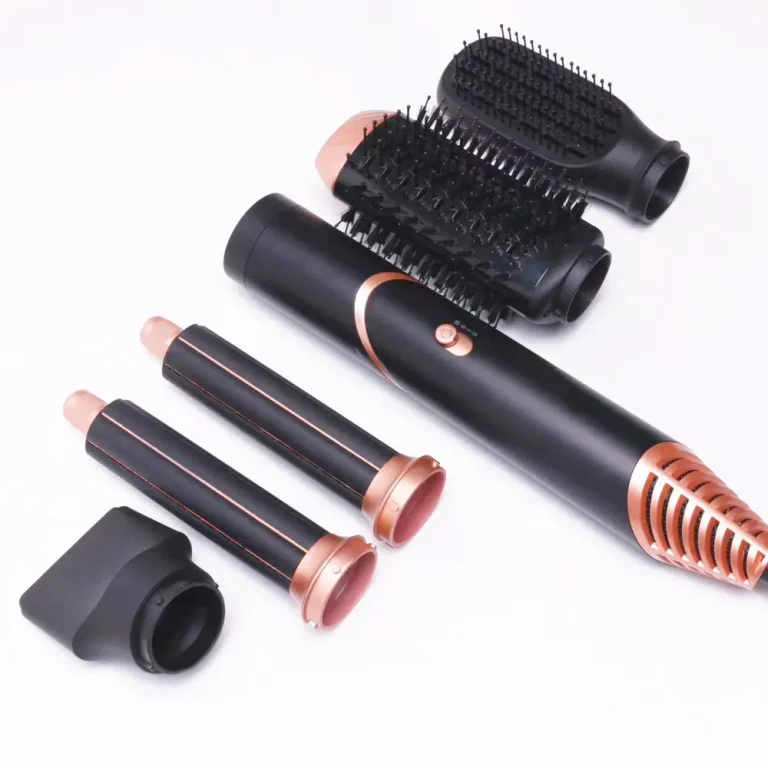
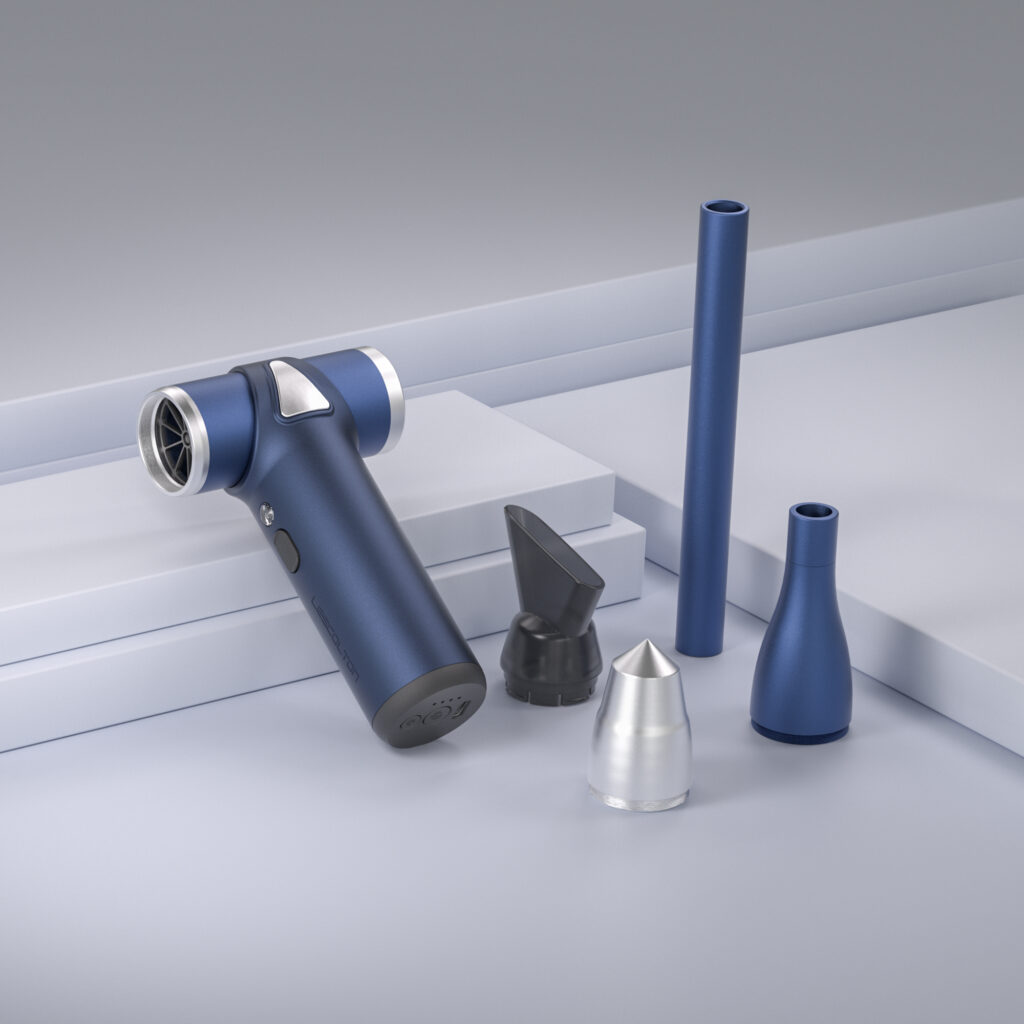
A heavy, awkwardly designed hair dryer will strain your wrist during long drying sessions, especially for those with thick or long hair. Look for lightweight, compact models with a non-slip grip for comfortable handling. Attachments also add versatility: a concentrator nozzle is perfect for precise styling and straightening, while a diffuser enhances natural curls and waves. Detachable nozzles make the dryer easier to clean and store, extending its lifespan.
4. Build Quality & Safety Features
Durability matters for a long-term investment. Choose dryers with heat-resistant, sturdy housing and a long, flexible power cord (for corded models) to avoid tangling. Essential safety features include overheating protection, which automatically shuts off the dryer if it gets too hot, preventing fire hazards and device damage. Brand reputation and warranty coverage are also worth checking to ensure reliable after-sales support.
Are Cordless Hair Dryers Versatile in Daily Use Scenarios?
Cordless hair dryers run on rechargeable batteries, eliminating the hassle of tangled cords and fixed power outlets—but their versatility depends on your lifestyle and usage needs. Let’s break down their best use cases and key limitations:
Standout Use Scenarios for Cordless Hair Dryers
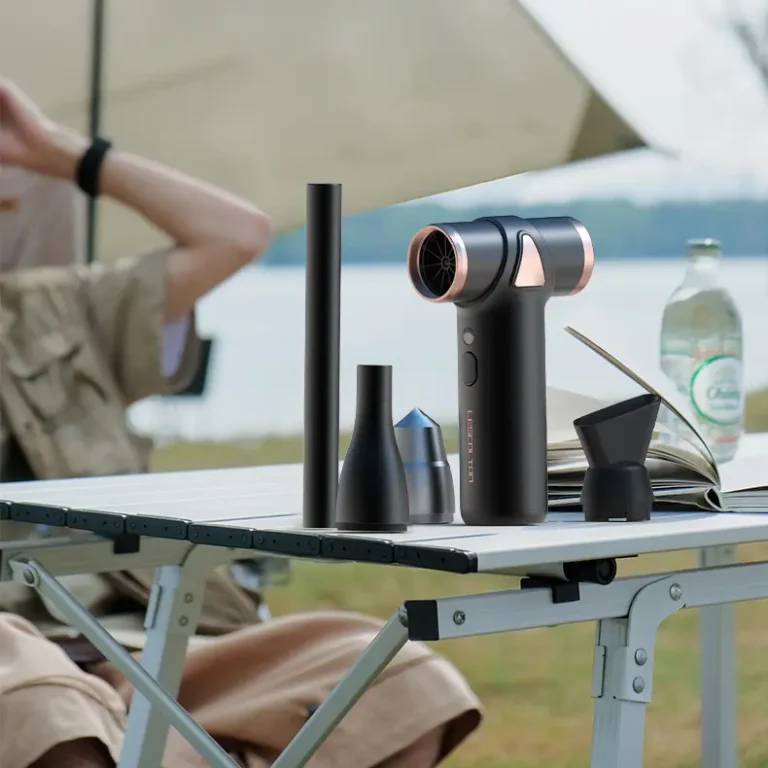
- Travel & On-the-Go Grooming: This is where cordless dryers shine. They’re perfect for business trips, vacations, camping, or hotel stays with limited power outlets. Compact and cord-free, they fit easily in luggage or travel bags, letting you dry hair anytime without searching for a socket.
- Dorm Rooms & Shared Spaces: For students or those living in shared housing, cordless dryers avoid messy cords and power strip clutter. They’re also ideal for quick touch-ups in bedrooms or bathrooms without nearby outlets.
- Outdoor & Emergency Use: Outdoor events, photoshoots, or emergency situations (like power outages) make cordless dryers a practical choice. They work independently of grid power, offering grooming flexibility in unconventional settings.
- Quick Touch-Ups & Partial Styling: If you only need to dry bangs, fix frizzy sections, or touch up hairstyles throughout the day, a cordless dryer’s short battery life is less of an issue, making it ultra-convenient for small tasks.
Limitations That Restrict Full Versatility
While cordless dryers are portable, they have clear drawbacks that limit their use as a primary household dryer. Most models have shorter battery life (10–20 minutes per charge), which is insufficient for drying thick, long hair. They also have lower wattage and weaker airflow than corded models, leading to slower drying times. Additionally, rechargeable batteries degrade over time, and premium cordless options are often more expensive than comparable corded dryers.
Final Verdict
When choosing a hair dryer, prioritize constant temperature control, ionic hair-care technology, and ergonomic design for daily use—opt for high-wattage corded models if you need fast, efficient drying for thick hair. As for cordless hair dryers, they are incredibly versatile for travel, quick touch-ups, and low-power grooming scenarios, but they are not a full replacement for corded dryers as a primary household tool. Assess your daily routine and usage habits to pick the model that best fits your lifestyle.